
Choosing the best cabinet materials plays a huge role in how long your cabinets will last, how well they perform in daily use, and how much value they add to your home. Whether you are remodeling your kitchen or building from scratch, understanding cabinet materials helps you balance durability, aesthetics, and budget.
Why Material Matters for Long-Lasting Cabinets
The material of your cabinets affects strength, resistance to moisture and wear, maintenance needs, and overall lifespan. Cabinets in busy areas like kitchens and laundry rooms endure heavy use, frequent opening, and exposure to humidity, which means picking the right substance under the surface is just as important as the finish you see every day. Choosing the best cabinet materials ensures you invest in pieces that don’t just look beautiful at installation but continue performing for years.
Solid Wood Cabinets: Classic Strength and Timeless Look
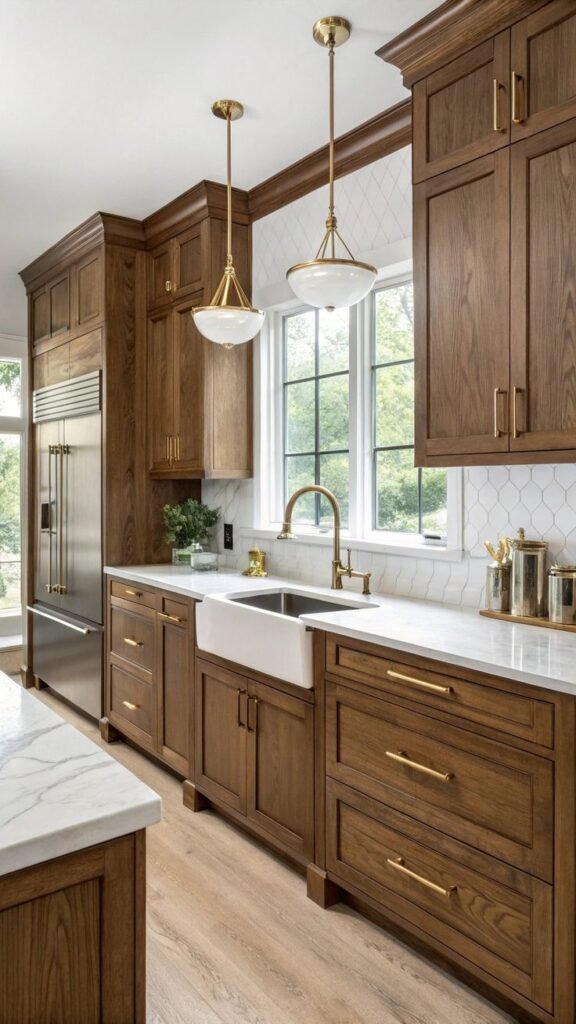
Solid wood remains a top choice for homeowners seeking durability and style. Hardwood species like oak, maple, cherry, and walnut are known for their strength and resistance to everyday wear. Solid wood cabinets can last for decades and be refinished, repainted, or re-stained to update your space without replacing the cabinets entirely. They offer natural warmth and character that enhance both classic and contemporary spaces.
Benefits
- Extremely durable
- Repairable and refinishable
- Timeless aesthetic
Considerations
- Higher cost
- Can expand or contract with humidity
Plywood: Durable Core for Everyday Life
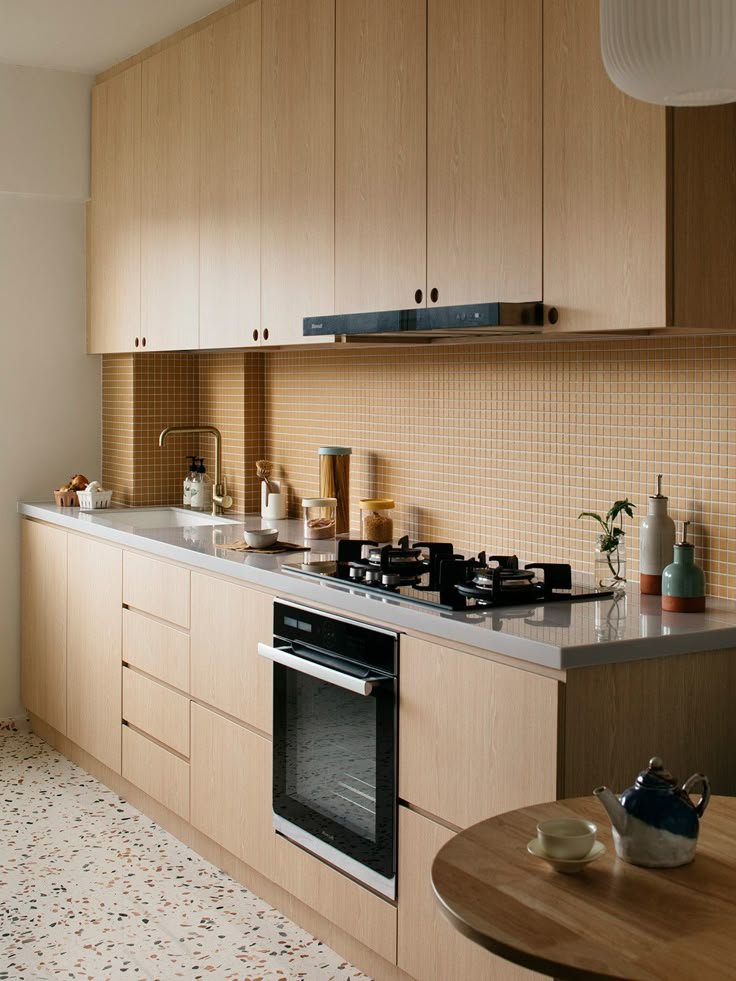
- Excellent durability
- Good moisture resistance
- Stable under changing conditions
Considerations
- Slightly more expensive than basic engineered boards
Medium Density Fiberboard (MDF): Smooth and Versatile
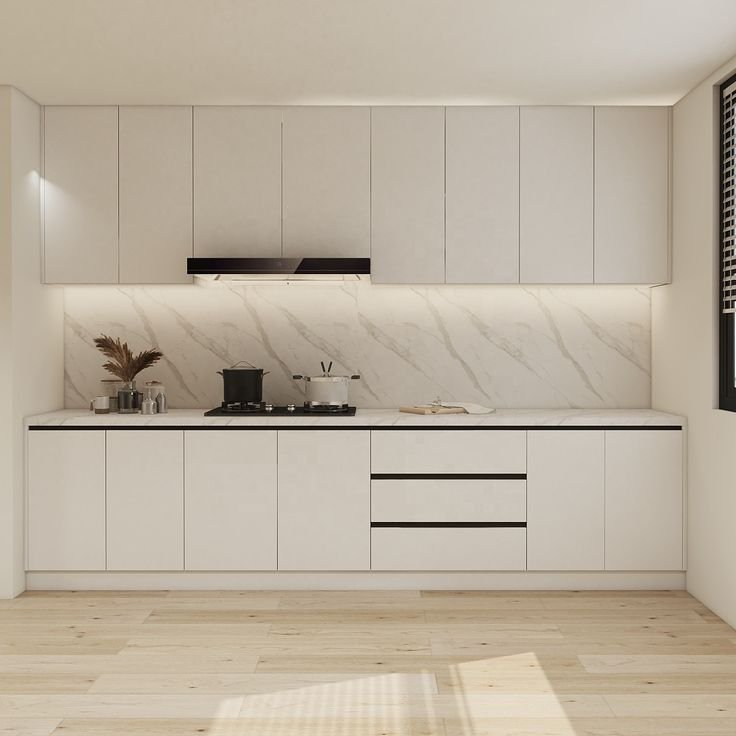
If painted finishes and modern aesthetics are high on your list, MDF is a solid choice. It’s an engineered wood product made from wood fibers mixed with resin and compressed to a dense board that takes paint exceptionally well. MDF provides smooth surfaces with minimal grain, ideal for contemporary cabinet fronts. However, it is less moisture-resistant than plywood or solid wood, so sealing and finish protection are crucial for longevity.
Benefits
- Smooth surface for paint
- Consistent texture
- Cost-effective
Considerations
- Needs protection against moisture
- Not as strong as plywood or solid wood